What to check before booking a desert buggy rental in Dubai
Booking a buggy for the desert is less about picking the loudest vehicle and more about matching the ride to your plans. Dubai desert driving can involve soft sand, firm tracks, changing light and long stretches between facilities. A little checking before you pay helps avoid mismatches over licence rules, driving time, safety gear or what happens if plans change.
The term buggy rental dubai covers several kinds of off road vehicle and several styles of booking. Some rides are built for short, guided sessions. Others are arranged for longer self drive routes with different rules. Before comparing offers, decide whether you want a calm introduction to desert driving, a more spirited ride or a photography focused outing. That choice shapes every other decision, from vehicle type to route and timing.
Vehicle type and driving conditions
Start with the vehicle itself. A buggy is not the same as a quad bike, and a two seat model does not handle like a four seat one. Ask what exact model or class is being offered, even if the name is not familiar. The useful details are whether it has a roll structure, seat belts, a protective cage, reliable tyres for sand and enough space for the driver to sit comfortably without feeling cramped.
Power matters less than control. A high powered buggy can be difficult for a first timer, especially on dunes where momentum, steering input and throttle control need patience. A smaller vehicle may feel slower on open ground but still be more manageable on slopes and turns. If the route includes narrow tracks or busy areas, easy handling is more valuable than speed.
Also check who will be driving. Many bookings assume one driver per buggy, while others may allow shared driving if each person meets the stated requirements. Do not assume that a passenger can take over halfway through. If two people both want to drive, make that clear before booking and get the answer in writing.
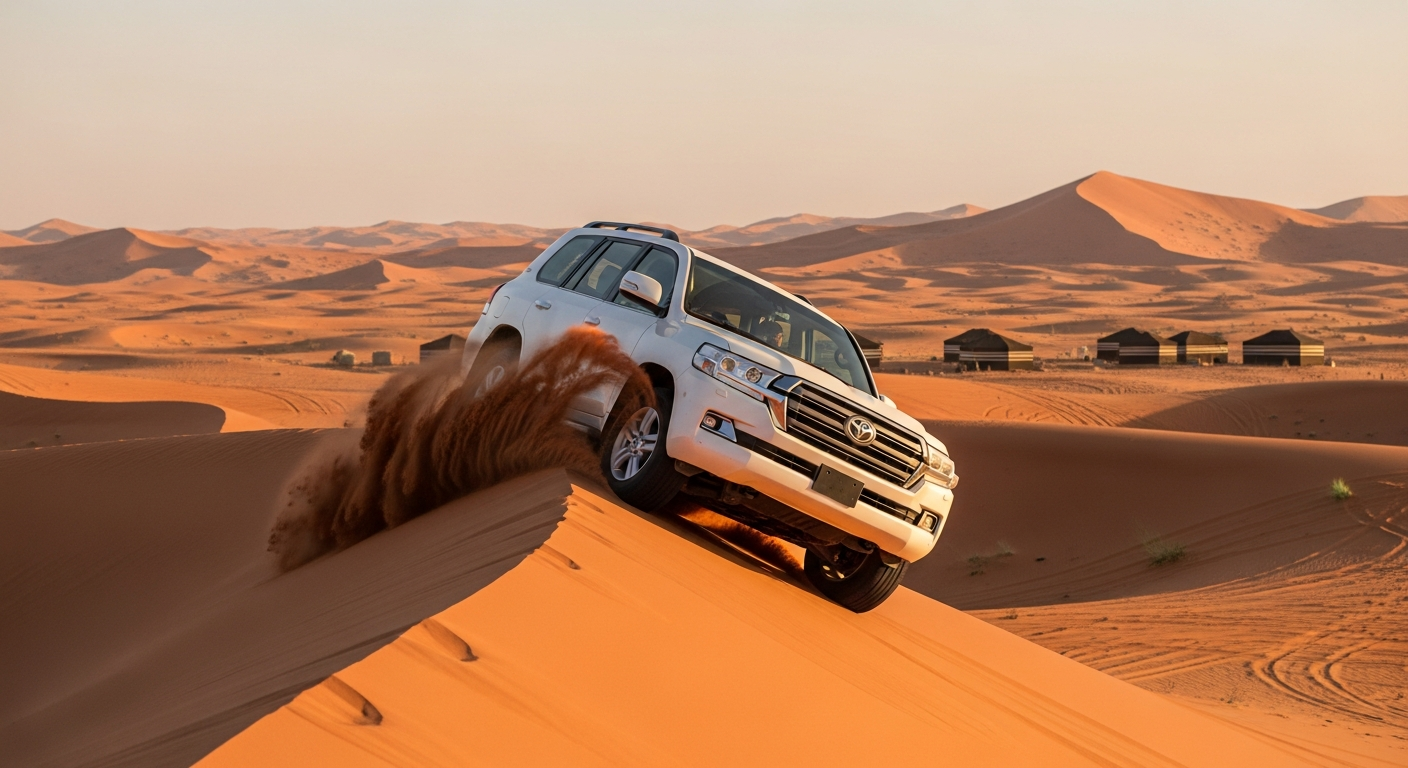
Licence, age and experience requirements
These rules are a common source of disappointment. Requirements can vary by vehicle category, route and provider policy, so check what applies to your booking rather than relying on general advice. Ask about minimum age, whether a driving licence is needed, which licence types are accepted and whether previous off road experience is expected.
If a visitor is unfamiliar with desert terrain, a brief orientation can make the ride safer and more enjoyable. That may include how to approach dunes, how to read soft sand and when to slow down. The point is not to become an expert in minutes. It is to understand the basic limits of the vehicle and the terrain before heading out.
Be honest about experience. Saying that you have driven on sand before when you have not can lead to a route or vehicle that does not suit you. A good match depends on accurate information, not on sounding confident.
Route, duration and pace
Duration can be confusing because the clock may refer to different things. One booking may count only time behind the wheel. Another may include pickup, safety briefing, stops and return travel. Ask what the quoted duration covers and how much of it is actual driving.
The route matters just as much. A route with open dunes feels different from one that follows marked tracks near a conservation area or tourist stop. Ask whether the ride is guided, whether there is a lead vehicle and what happens if the group splits up. Also ask about stops for photos, water breaks and whether the pace is set for beginners or experienced drivers.
Desert conditions change through the day. Midday heat can be intense, while late afternoon light is popular but can bring more traffic near well known spots. If you are sensitive to heat, choose a time that gives you room to enjoy the ride rather than rush through it.
Safety equipment and rider comfort
Protective gear should be part of the plan, not an afterthought. Confirm whether helmets, gloves, goggles and closed footwear are required or provided. A helmet that fits properly is more useful than one simply present in a vehicle. If you wear prescription glasses or use a camera, check how goggles and dust will affect you.
Comfort is practical too. Desert driving sends dust, heat and vibration through the vehicle. Loose clothing can catch on parts, while very thin clothing offers little protection from sun and sand. Bring water if the booking does not clearly state that drinks are supplied, and plan for sun protection before you arrive.
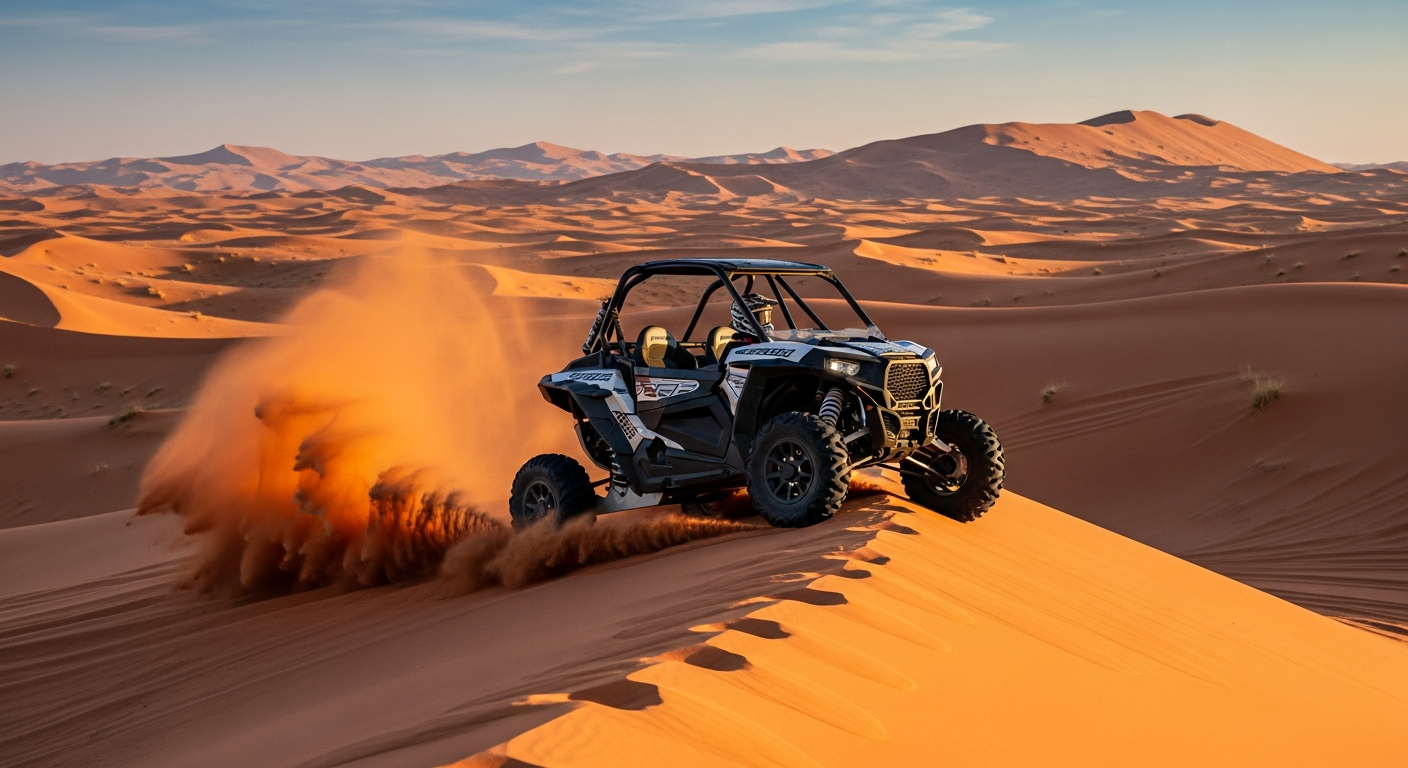
Anyone with back problems, neck issues, motion sensitivity or limited mobility should check the vehicle and route carefully before committing. Buggy rides can involve jolts, sharp turns and uneven ground. If there is doubt, ask specific questions about seating, seat belts and how rough the route usually feels. Do not try to tough out a ride that clearly does not suit your body.
Insurance, deposit and damage terms
This is where careful reading saves stress. Ask what cover is included, what is excluded and what the excess or deductible means in plain language. Terms for rollover damage, tyre damage, bodywork and third party incidents can differ widely. If a document uses vague wording, request a clear explanation before paying.
Check the deposit process as well. Find out when a deposit is held, when it is released and what evidence is used if a damage claim arises. A vehicle inspection at the start and end of the ride is sensible, especially for marks that were already there. Photos can help keep the record clear without turning the experience into a dispute.
When comparing providers, look beyond the headline offer. Some bookings include extra services, while others leave several costs separate. The aim is not to find the smallest number. It is to understand what you are agreeing to and what could be added later.
Cancellation, timing and meeting details
Read the cancellation terms before you reserve, particularly if your travel schedule is still flexible. Check what happens if you cancel, arrive late, change the date or cannot travel because of weather or other disruption. Clear terms are useful because desert plans can be affected by conditions outside anyone's control.
Meeting details deserve the same attention. Confirm the meeting point, how you get there, what time you should arrive and whether pickup is part of the arrangement. A wrong pickup point can eat into the day, especially when the ride starts far from the city centre. Save the details before setting out, and keep a simple way to contact the booking contact on the day.
For visitors comparing several options, AL Qudra Tours can be treated as one name to look up alongside other providers. AL Qudra Tours official site may be useful for checking how that provider presents its own terms, but the same questions should be asked wherever you book. The point is to compare like with like, not to assume that similar wording means similar conditions.
What to confirm just before you go
A final check the day before can catch simple problems. Confirm the booking reference, driver names, start time, meeting point and required documents. If weather is unusually hot, windy or wet, ask whether conditions affect the route. Sand behaves differently after rain, and strong wind can make visibility and dust uncomfortable.
On arrival, pause before getting into the vehicle. Check that the seat belts work, the helmet fits, the tyres look suitable and any obvious damage is recorded. Ask who to approach if the group, route or vehicle changes at the last moment. These checks are quick, and they set a clear expectation for the ride ahead.
A buggy trip in the desert is at its best when the vehicle, route and rules suit the people booking it. Take time to compare the details in plain terms, especially safety requirements, driving time and damage terms. If an answer feels vague, ask again or choose another option. The right booking should feel clear before the engine starts, not after you reach the sand.